TECHNICAL KNOWLEDGE
Technical knowledge and company updates.
A practical knowledge base covering sizing, tooth forms, heat treatment, long-rack installation, roller drives, inspection and applications.
01 / 2026-08-10
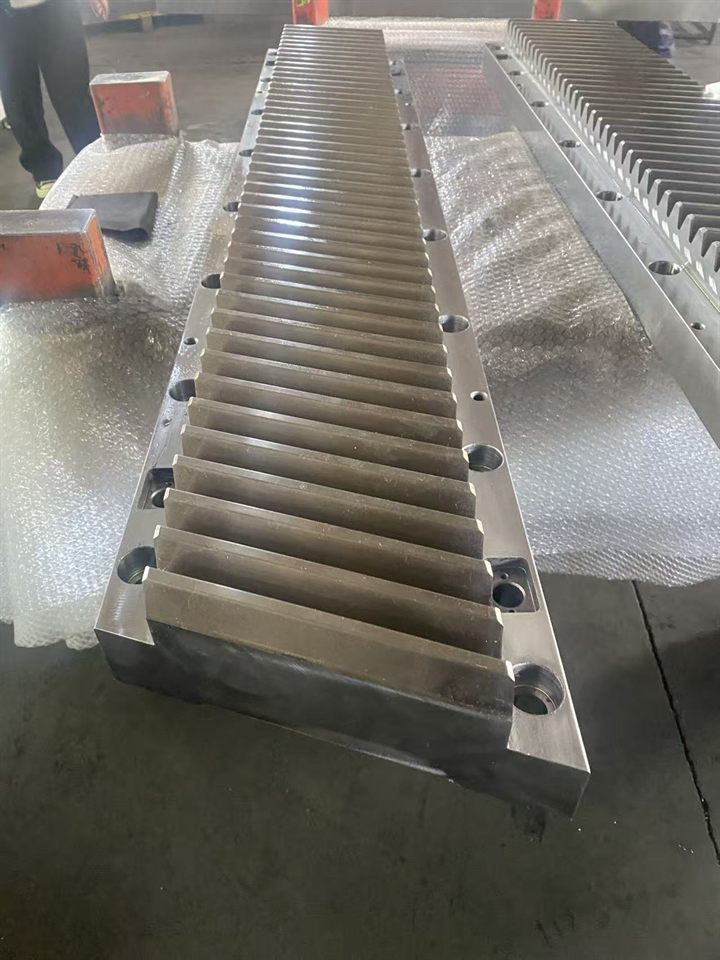
Choosing straight, helical or curved racks
Select tooth form and geometry from travel path, speed, noise, load and installation envelope.
Learn more →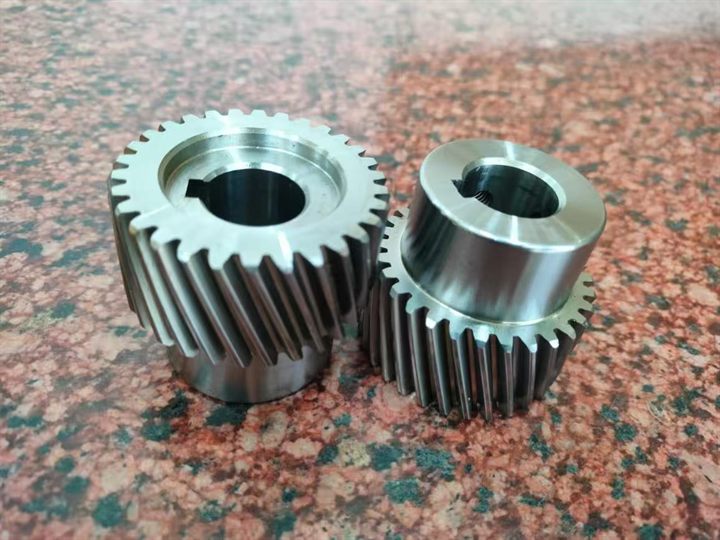
02 / 2026-08-10
Inputs needed before sizing a rack-and-pinion drive
Clarify load, speed, travel, accuracy, life and mounting interfaces up front to avoid repeated redesign.
Learn more →
03 / 2026-08-10
Rack induction hardening: hardness, depth and distortion
Heat treatment is not a hardness number alone; case depth, core toughness and long-part distortion also matter.
Learn more →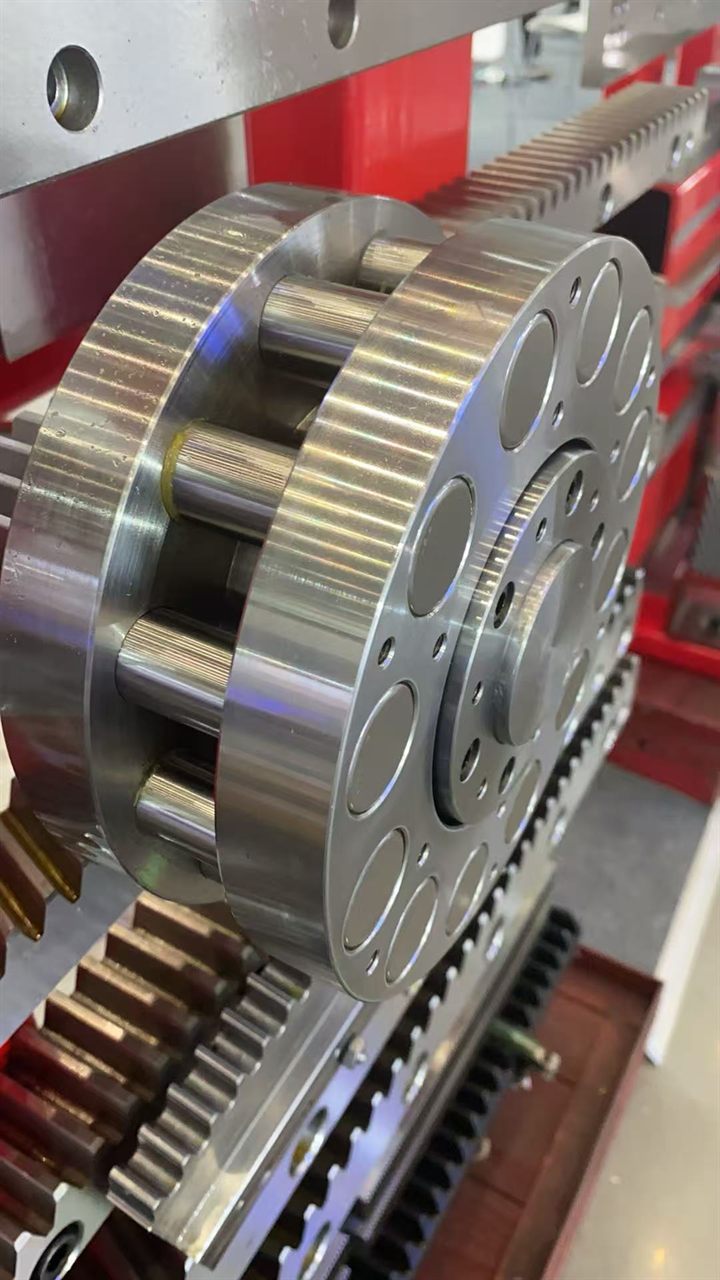
04 / 2026-08-10
Segmenting, joining and installing long racks
Long-travel accuracy depends on each segment as well as joints, mounting faces, location strategy and field measurement.
Learn more →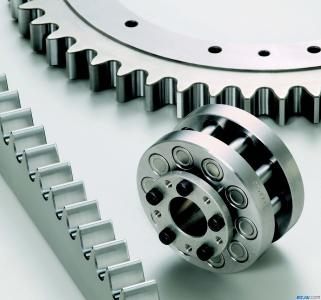
05 / 2026-08-09
How zero-backlash roller racks enable fast long-travel axes
Multiple rollers engage the trochoidal tooth profile at once, reducing backlash, noise, vibration and dust.
Learn more →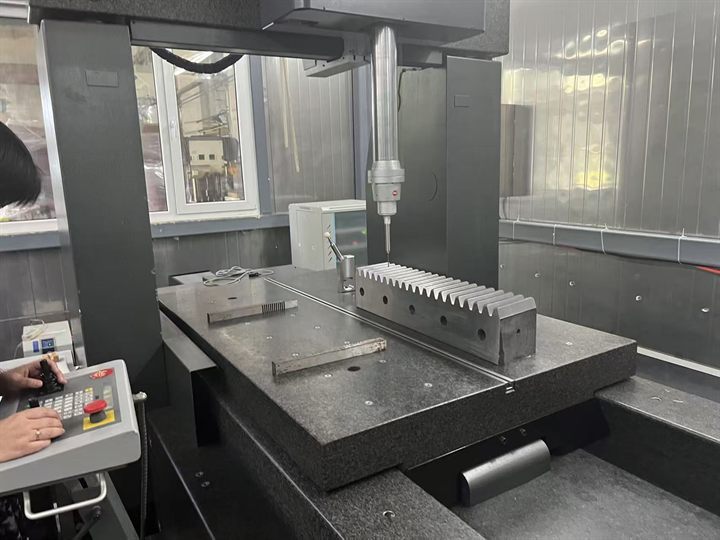
06 / 2026-08-09
Precision verification from straight racks to curved ring segments
CMM, tooth-profile measurement and dedicated fixturing verify dimensions, pitch, tooth form and curved-segment geometry.
Learn more →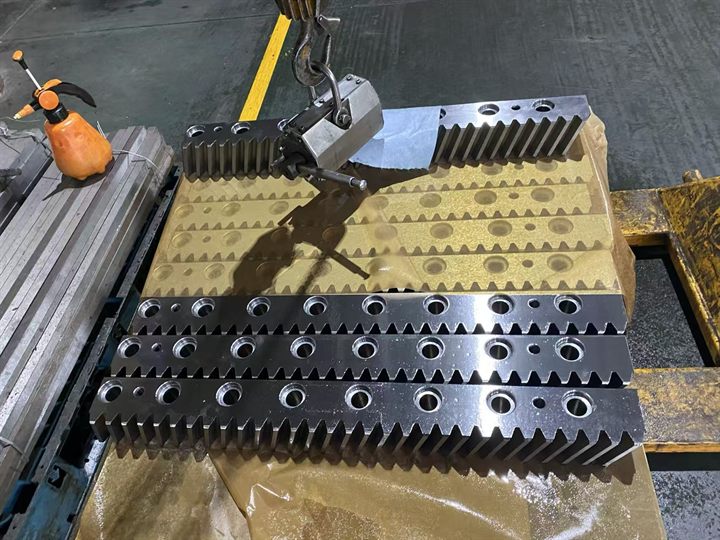
07 / 2015-05-07
Rack drive basics: module, pressure angle and pitch line
A rack can be understood as part of a gear with infinitely many teeth, turning the involute profile into a straight line.
Learn more →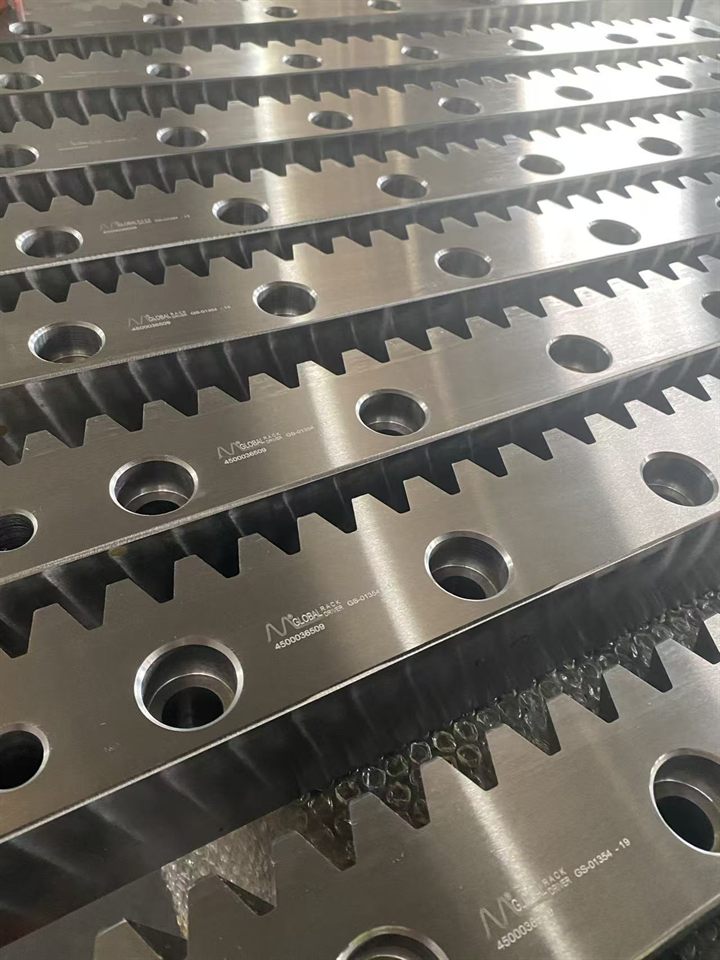
08 / 2015-05-07
Common rack types and application characteristics
Straight profiles, the standard 20° profile angle, equal pitch and the pitch line are fundamental rack geometry.
Learn more →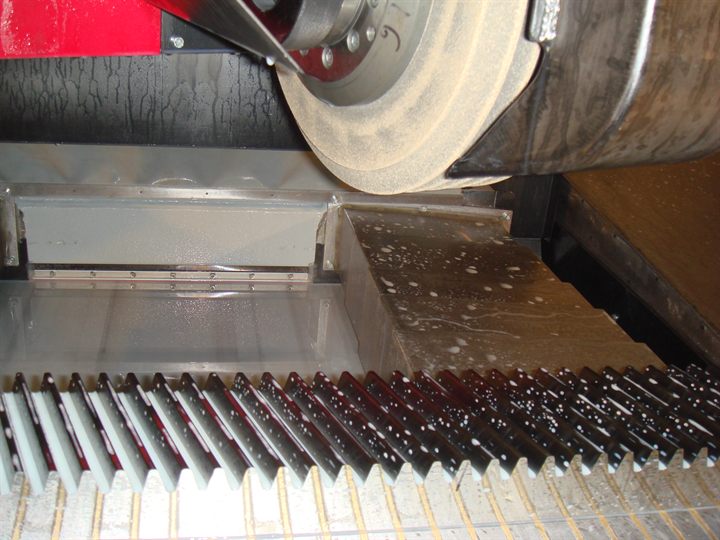
09 / 2015-05-07
Tool selection and pitch control for rack milling
Cutter selection, fixture positioning and table indexing after each tooth determine pitch consistency.
Learn more →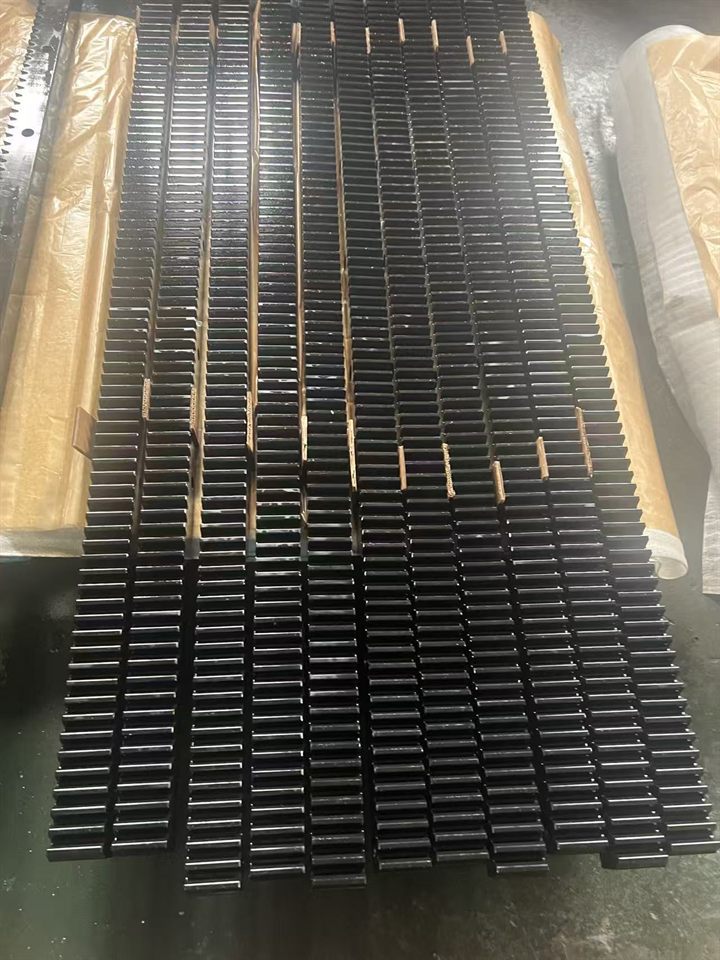
10 / 2015-05-07
Overload protection for rack-and-pinion construction hoists
Load-sensing protection in the moving section of a construction hoist supports overload safety.
Learn more →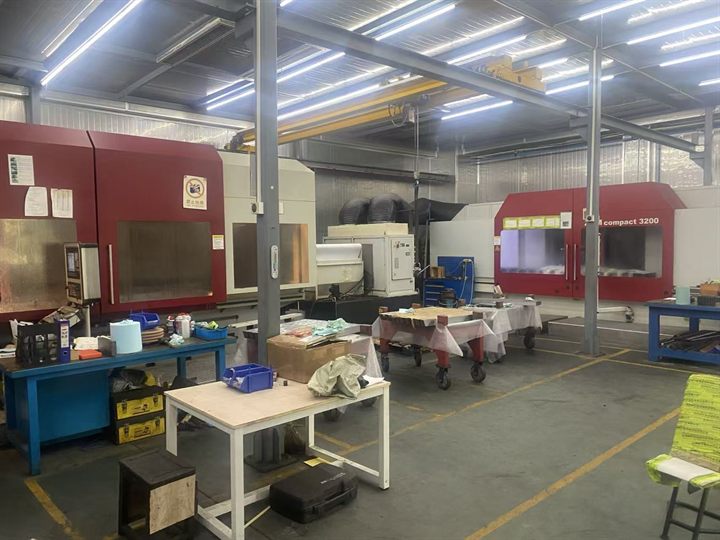
11 / 2015-11-28
Precision rack equipment and manufacturing capability
Imported German equipment and related technology form a foundation for precision rack manufacturing.
Learn more →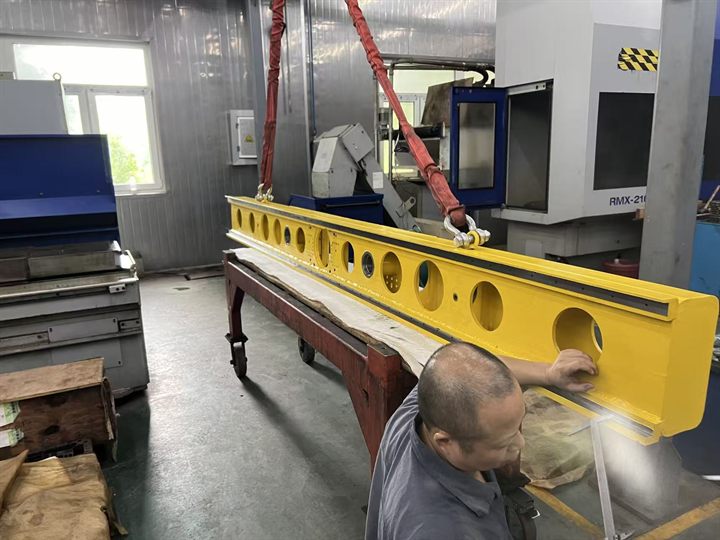
12 / 2015-11-28
Engineering collaboration from drawing review to delivery
Customer exchange, drawing review and project collaboration continuously improve products and engineering services.
Learn more →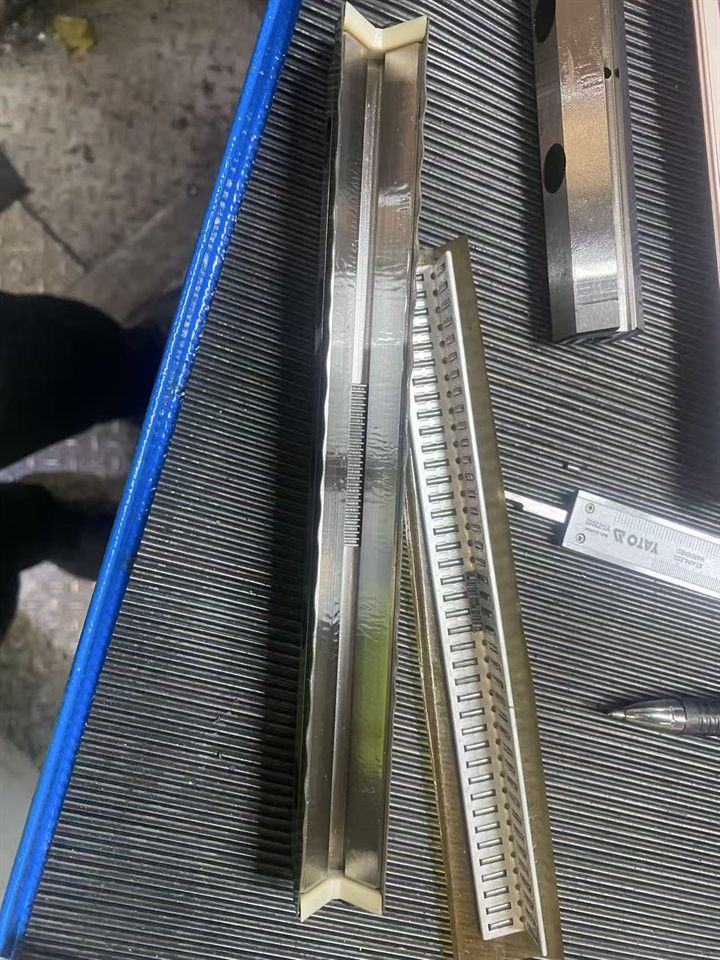
13 / 2015-05-07
Drive selection for long-travel single-axis handling
Screw span, usable travel, resonance and speed limits are key constraints in long-travel single-axis design.
Learn more →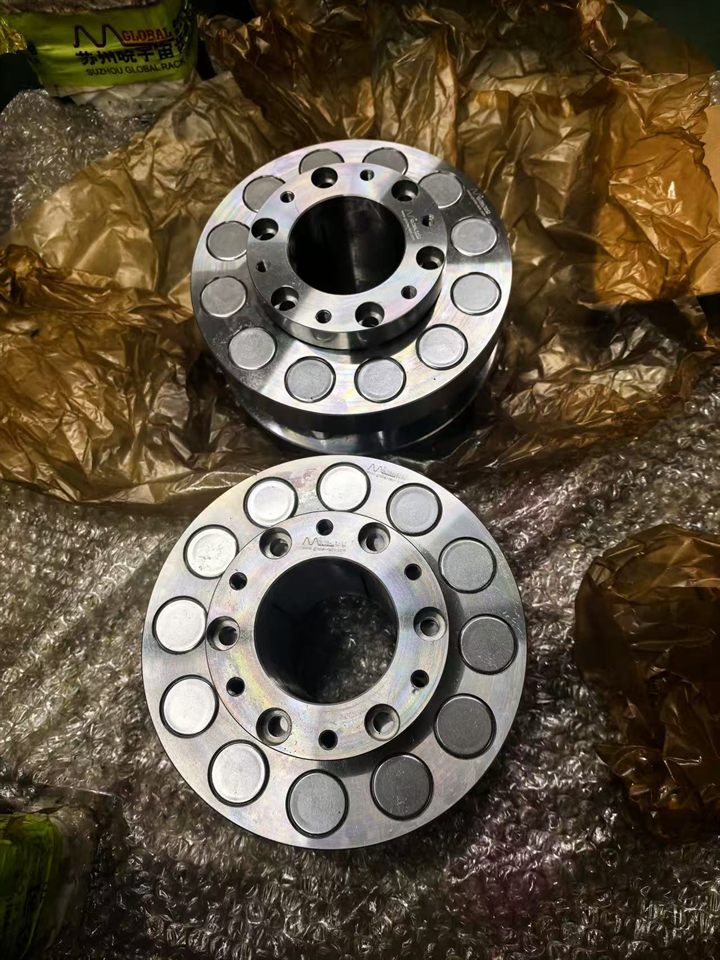
14 / 2026-08-10
Zero-backlash roller-rack series selection
Shortlist TCG 1008A–4014A from travel per revolution and dynamic/static rated load.
Learn more →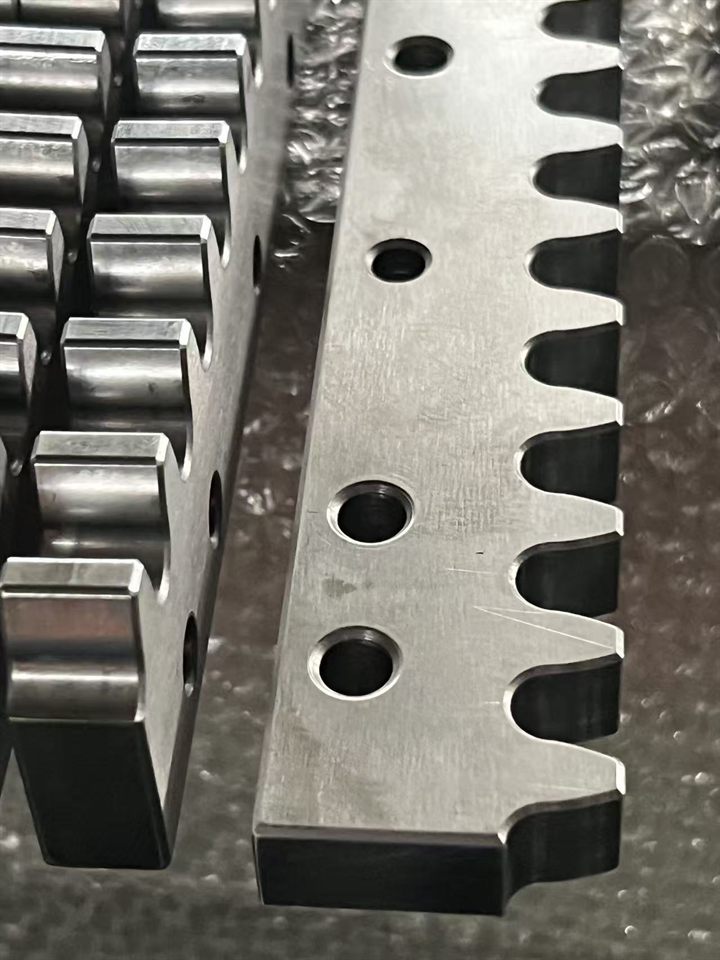
15 / 2026-08-10
Dynamic load, static load and rated life
Use dynamic load for life sizing and static load for limit checks; do not treat them as interchangeable.
Learn more →16 / 2026-08-10
How rack quality grades relate to process and application
Choose ground, precision-milled or industrial rack from positioning, speed, noise and cost.
Learn more →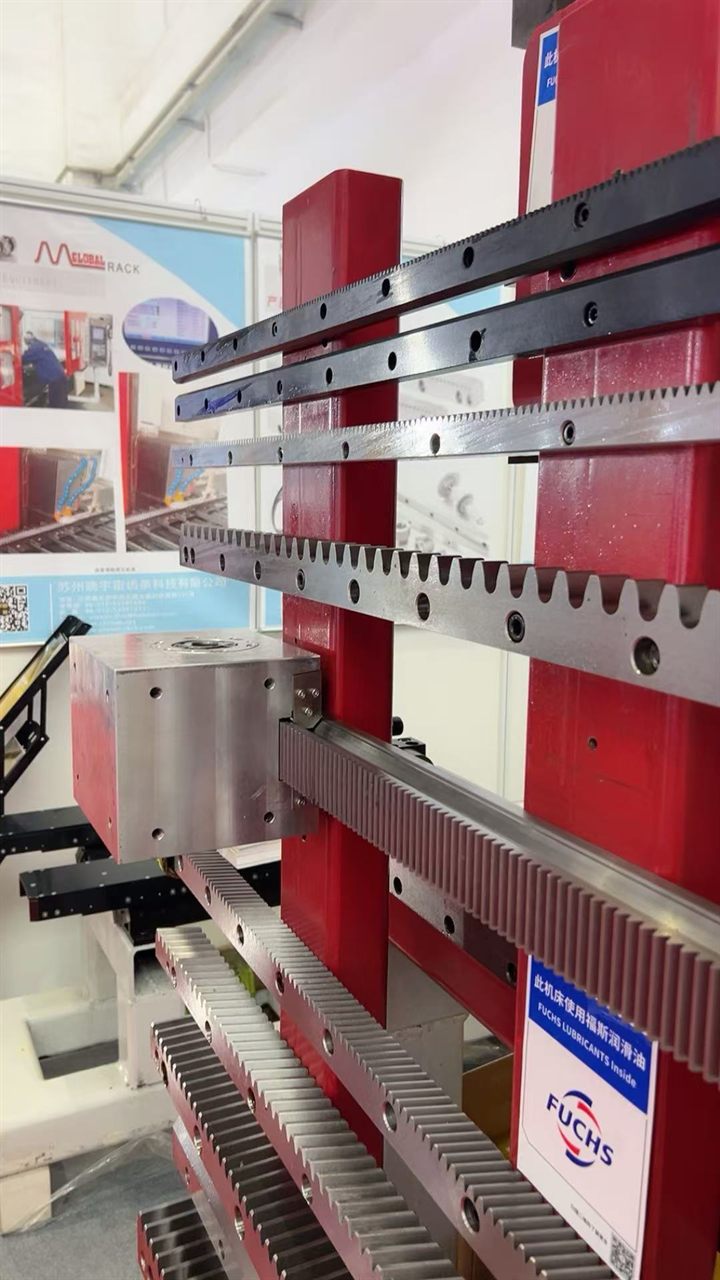
17 / 2026-08-10
Rack material and heat-treatment guide
Select material and process from tooth strength, core toughness, corrosion, noise and environment.
Learn more →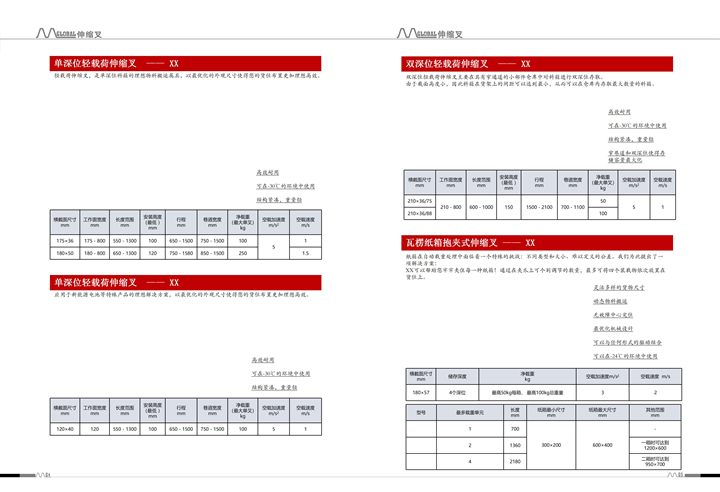
18 / 2026-08-10
What data is needed to select a telescopic fork
Use six data groups—load, bay, stroke, payload, cycle and interfaces—to shorten selection.
Learn more →19 / 2026-08-10
Rack project inspection and acceptance checklist
Turn material, dimensions, pitch, profile, hardness, joints and packing into verifiable deliverables.
Learn more →Send your application and drawing to our engineering team
Share load, travel, speed, accuracy, quantity or drawing data. We will assess selection, manufacturing and lead time.